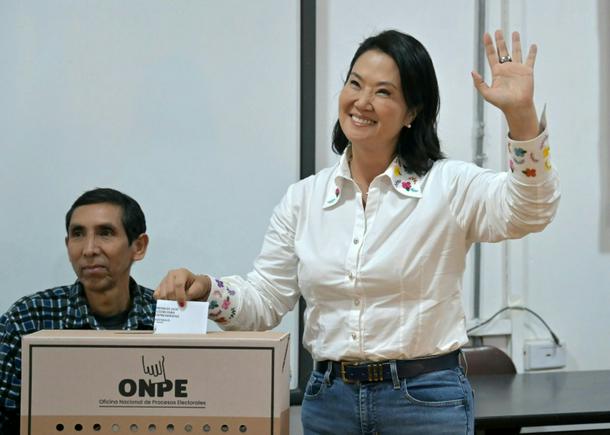
Peruvian presidential candidate Keiko Fujimori, seen here casting her vote
Lima (AFP) - Peru’s presidential runoff was still too close to call early Monday, with four-time candidate Keiko Fujimori tied with her leftist rival to become the country’s ninth president in a decade.
With just over 90 percent of polling centers reporting, conservative Fujimori had a less than one percentage point lead over Roberto Sanchez.
Her 50.4 percent vs 49.6 percent lead was projected to evaporate as ballots continued to trickle in from rural areas, where Sanchez has dominated.
“As of now there is no winner. There will be long days ahead,” Fujimori, the daughter of a late president who had been jailed for human rights violations, said late Sunday.
Many voters had hoped the election would draw a line under years of political chaos that has seen a string of presidents jailed, deposed and impeached.
But Peru remains deeply divided between the populous coast and the more rural, Indigenous south.
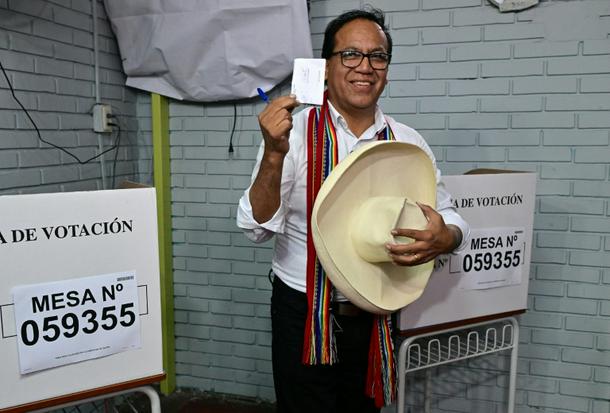
Peru's Roberto Sanchez would need a strong showing of support from the country's poorer rural areas
Sanchez told jubilant supporters late Sunday that the race was a “dead heat” and all was still to play for.
Exit polls and quick counts also showed the race was impossible to call.
“The result reflects the country’s divisions,” said Paulo Vilca, a political analyst at the Peruvian Studies Institute. “Whoever wins will have half the country against them.”
- ‘Respectful’ -
Fujimori, 51, is hoping to ride a wave of support for right-wing candidates who have won recent elections in Bolivia, Chile and Ecuador with a tough-on-crime message.
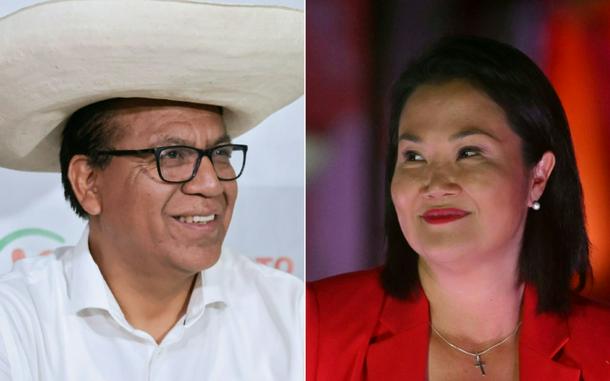
Leftist Roberto Sanchez and conservative Keiko Fujimori will face off in Peru's presidential runoff election
She appeals to the legacy of her late father, Alberto Fujimori, who stabilized the economy and crushed a Maoist insurgency, but was convicted of corruption and crimes against humanity.
Sanchez, a 57-year-old former psychologist, surged late in the race to reach the runoff.
He has moderated his early calls for “radical change” and told AFP he wants a “respectful” relationship with US President Donald Trump.
April’s first round was marred by logistical problems and a vote count that took weeks to complete, deepening distrust in Peru’s creaking institutions.
Around 27 million Peruvians can vote, and voting is compulsory.
On the eve of the election, a judge said Sanchez must stand trial over past financial irregularities in his party, raising claims of interference.
If he wins, he would have presidential immunity, though remain vulnerable to the country’s right-leaning legislature – which has ousted several recent presidents.
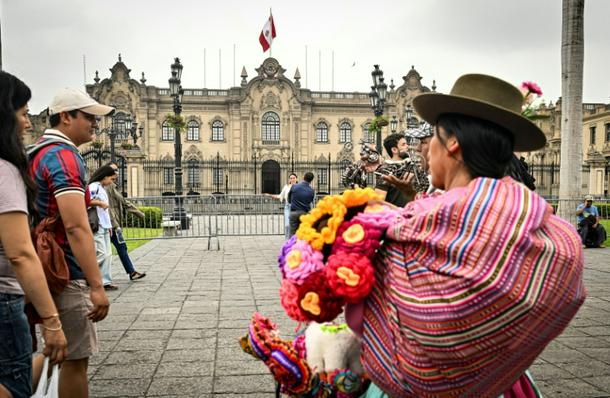
Tourists visit Lima's Plaza de Armas in front of the Government Palace, in the historic center of the Peruvian capital
“I hope the entire process is carried out transparently, that the people’s vote is respected,” early voter Evelyn Pazos, 43, told AFP.
Sanchez has the backing of former president Pedro Castillo, a schoolteacher jailed after a failed attempt to dissolve Congress in 2022.
Sanchez is rarely seen in public without a broad-brimmed palm straw hat gifted to him by his mentor, whom he plans to pardon.
- ‘Communism’ or ‘dictatorship’ -
Neither Sanchez nor Fujimori will have a legislative majority and whoever wins must build alliances to complete their term, according to analyst Jeffrey Radzinsky.
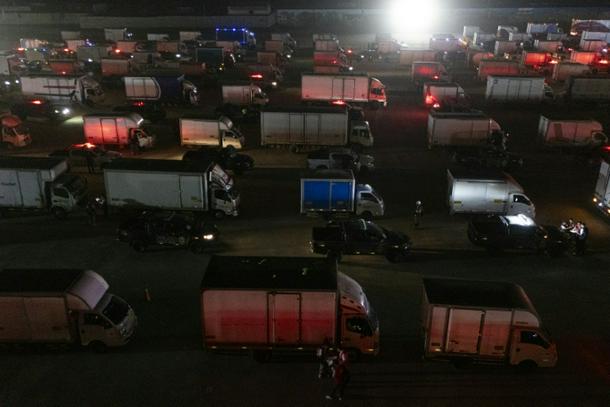
Trucks loaded with election materials line up at Peru's National Office of Electoral Processes (ONPE) in Lima
Despite political disillusionment, Peruvians’ main concern is security, as criminal gangs spread and extortion complaints spiked ninefold in five years.
“They kill, dismember, demand protection money. Enough!” said 58-year-old taxi driver Roberto Lovaton.
The winner will inherit a stable economy, with GDP growth of over three percent and low inflation.
He or she will replace interim president Jose Maria Balcazar from July 28.