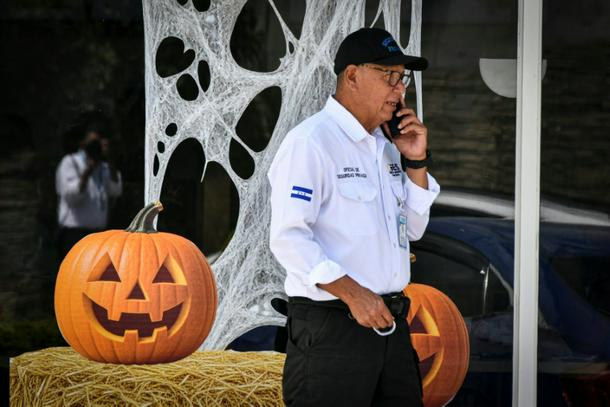
Halloween does not have a long history in Honduras, but has grown in popularity in recent years
Tegucigalpa (AFP) - At least six municipalities in Honduras have banned Halloween celebrations this year on the grounds that they promote wickedness.
“Permits for events whose activities, themes, or content promote or incite terror or diabolical practices” will not be issued, authorities in the town of San Juan said in a statement.
Similarly, the northwestern municipality of La Libertad justified its ban as a “rejection of symbols such as witches, ghosts and monsters linked to the occult.”
Shopping centers must also “refrain from promoting and selling items” related to Halloween. Violators will be fined, it said.
While the October 31 holiday does not have deep roots in Honduras – which is predominantly Christian, like other Central American nations – it has gained popularity in recent years among young people.
Controversy over the holiday even reached Congress, where opposition lawmaker Dunia Jimenez has proposed banning such celebrations at schools nationwide.
The proposed ban would restrict “costume contests, decorations and recreational activities” related to Halloween.
Jimenez told AFP that some members of the public have expressed concern about such celebrations “as they consider that they do not contribute to the spiritual, ethical and moral values that they hope to promote in their children’s upbringing.”
Others, however, have criticized such measures as an attack on freedom of expression.
“Halloween is not a native celebration,” Naydeli Alvarado, a historian and cultural manager, told AFP.
“However, people who celebrate it privately should not be punished because it undermines the secular state and restricts the freedom of citizens.”